A Beginner’s Guide to Divination Tools: Tarot, Pendulums, Runes, and More
Divination Tools: Ancient Wisdom for Modern Intuition
Divination tools have been used for thousands of years across cultures as a way to seek guidance, clarity, and connection—both to the unseen and to our own inner knowing. While often misunderstood as “fortune-telling,” divination is less about predicting the future and more about creating a dialogue with intuition, symbolism, and energy.
At their core, divination tools act as mirrors. They help us slow down, tune in, and access insights that may already be present beneath the noise of daily life.
What Are Divination Tools, Really?
Divination tools are symbolic systems that help translate subtle information—emotions, patterns, energetic shifts—into something tangible and understandable. They don’t hold power on their own; instead, they work through relationship, intention, and awareness.
In trauma-informed and holistic practices, divination tools can support:
Self-reflection and emotional awareness
Nervous system regulation through mindfulness and ritual
Clarifying decisions when the mind feels overwhelmed
Strengthening trust in one’s intuition
They are not meant to replace personal agency or inner wisdom—but to support it.
Common Divination Tools
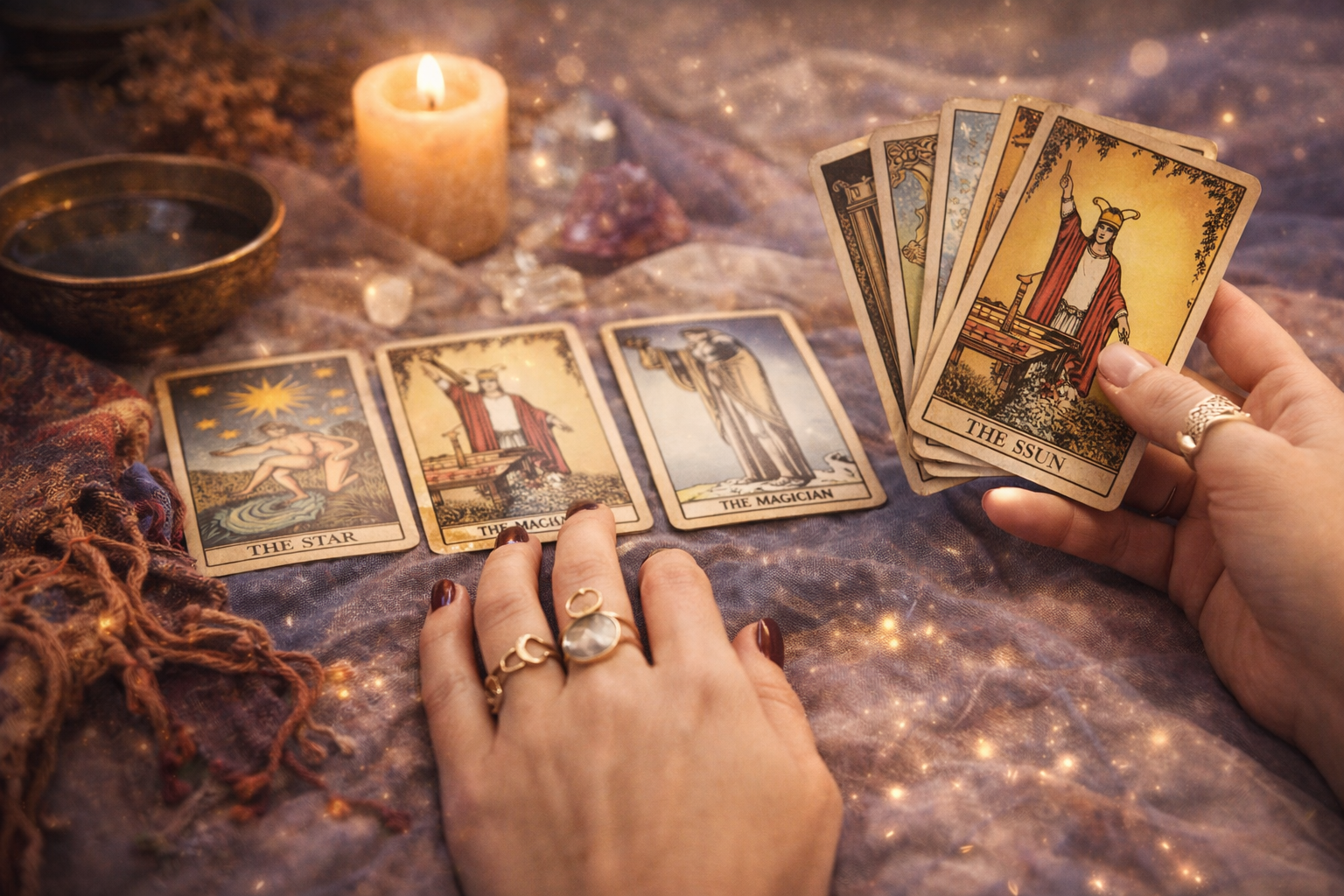
Tarot Cards
Tarot & Oracle Cards
Tarot and oracle cards use imagery, archetypes, and symbolism to explore themes, emotions, and patterns in your life. Each card invites reflection rather than offering fixed answers.
Tarot follows a structured system with traditional meanings and archetypal stories.
Oracle cards are more fluid, often themed around guidance, affirmations, or spiritual concepts.
Both can be powerful tools for journaling, meditation, or gentle self-inquiry.
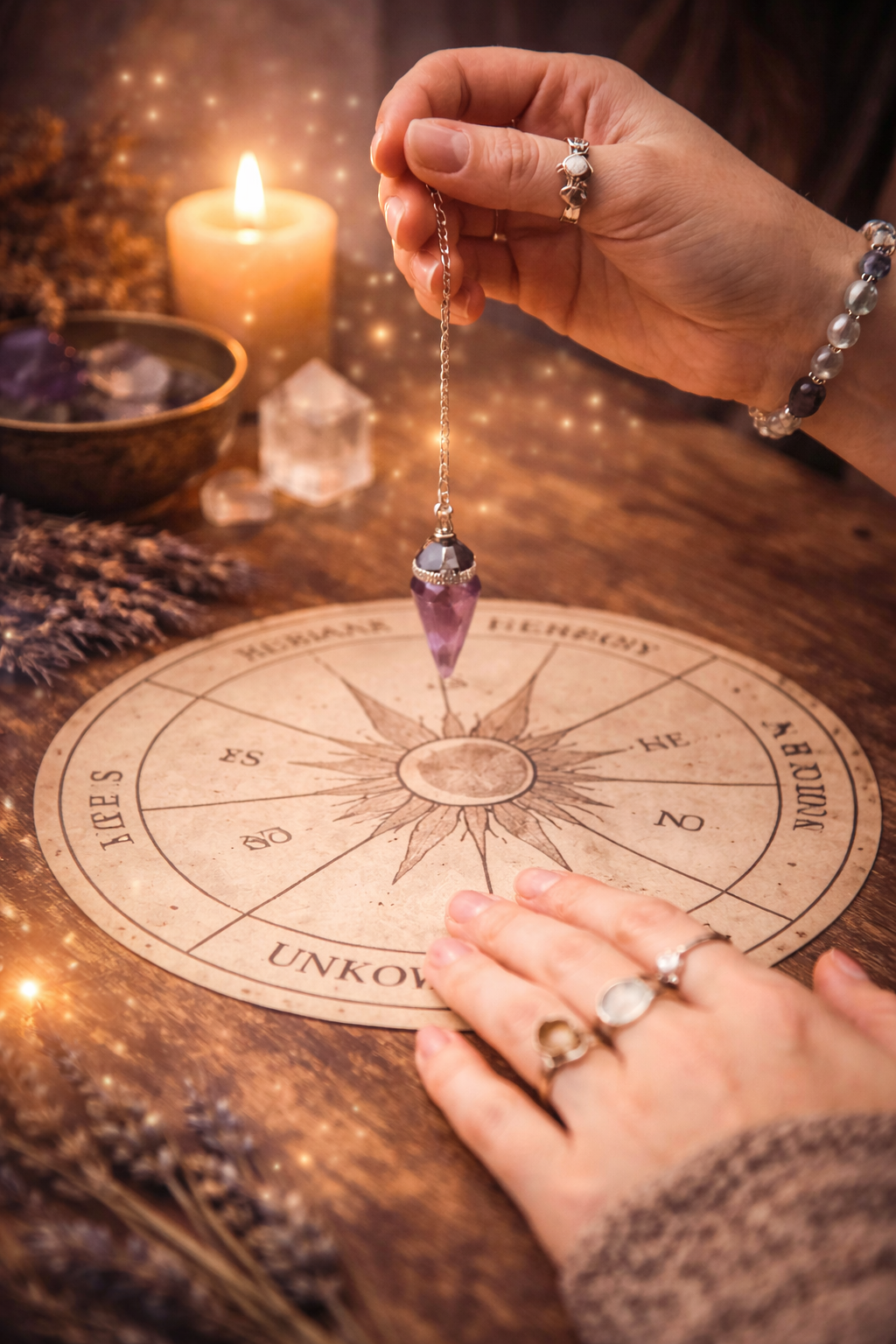
Pendulum
Pendulums
Pendulums respond to subtle movements influenced by the body and subconscious. Often used for yes/no questions, they encourage grounding and clarity.
More than the answer itself, pendulum work invites you to pause, breathe, and listen inwardly before asking a question—something many of us rarely do.
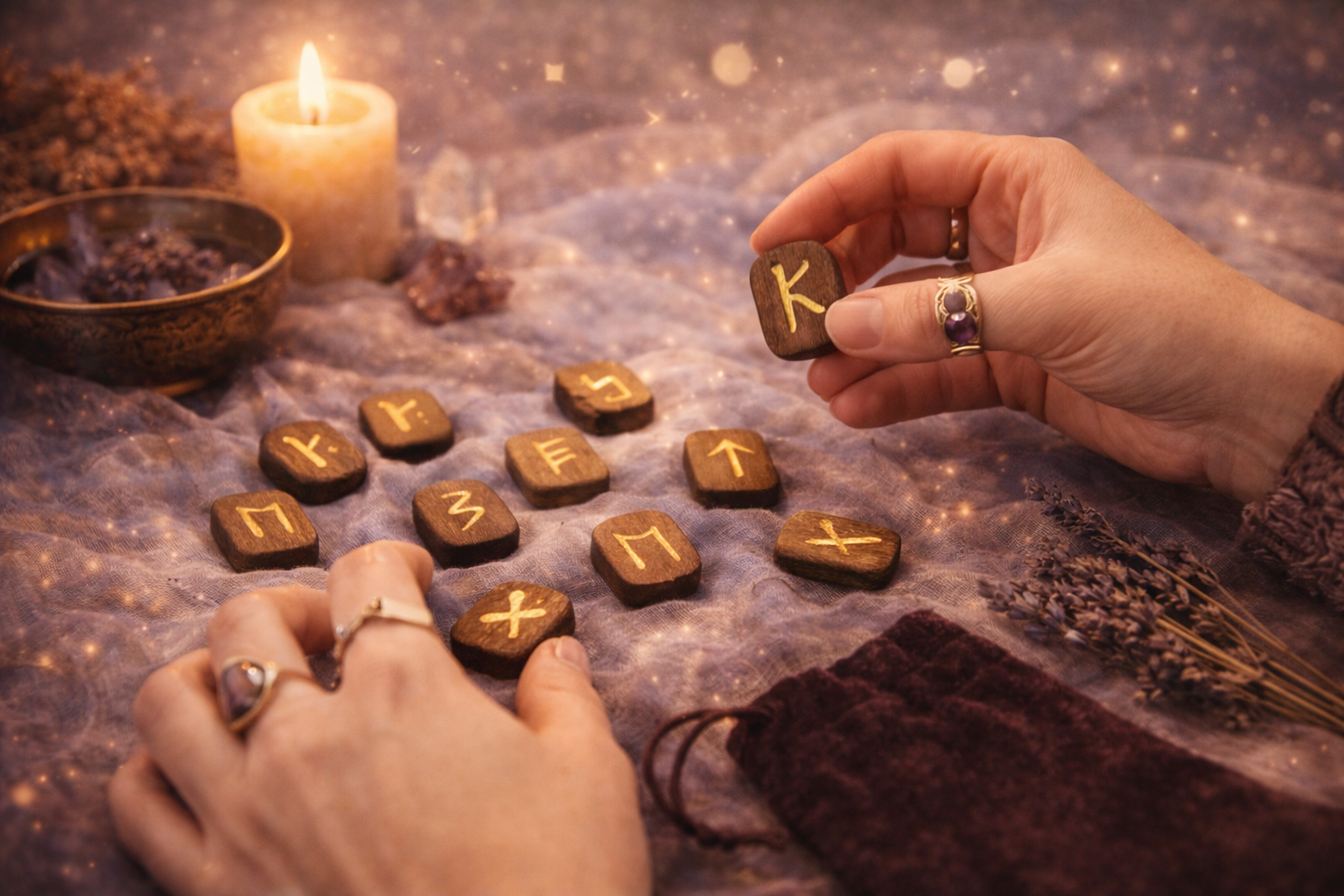
Runes
Runes
Runes are ancient symbols traditionally carved into stone or wood. Each rune carries layered meanings tied to cycles, challenges, and personal growth.
Working with runes can feel earthy and grounding, offering insight that often speaks in themes rather than specifics.
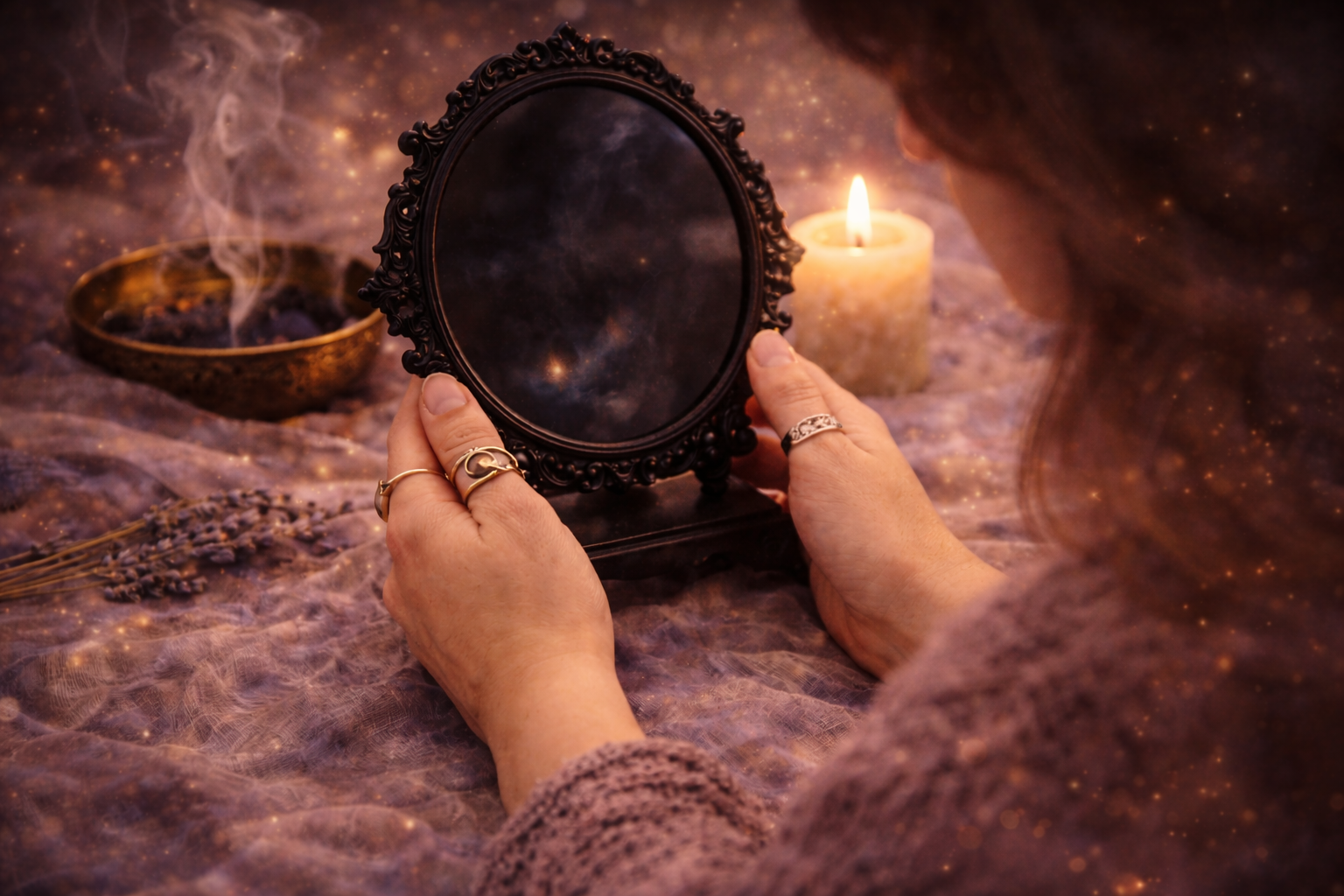
Scrying
Scrying (Mirrors, Water, Flame)
Scrying involves gazing into a reflective surface—such as water, a mirror, or a candle flame—to access intuitive imagery or impressions.
This practice encourages deep stillness and presence, making it less about “seeing” something external and more about noticing what arises internally.
A Trauma-Informed Perspective
For individuals with trauma histories, divination tools should always feel empowering, optional, and grounding—never predictive, fear-based, or absolute. When used gently, these tools can:
Restore a sense of choice and agency
Support emotional regulation
Encourage curiosity instead of judgment
If a practice ever feels overwhelming or destabilizing, it’s okay to pause or step away. The most important guide is your body’s response.
Choosing the Right Tool
You don’t need to use every divination method—or any at all. The right tool is the one that feels:
Accessible
Non-intimidating
Supportive rather than directive
Some people resonate deeply with visual symbolism, while others prefer tactile or meditative practices. Trust what feels natural to you.
Divination as a Practice of Listening
In a fast-paced world that often pulls us outward, divination tools invite us inward. They remind us that wisdom doesn’t always arrive loudly or logically—sometimes it comes quietly, through symbols, sensations, and subtle knowing.
Whether used occasionally or woven into a regular ritual, divination tools are not about finding answers outside yourself. They’re about remembering how to listen within.